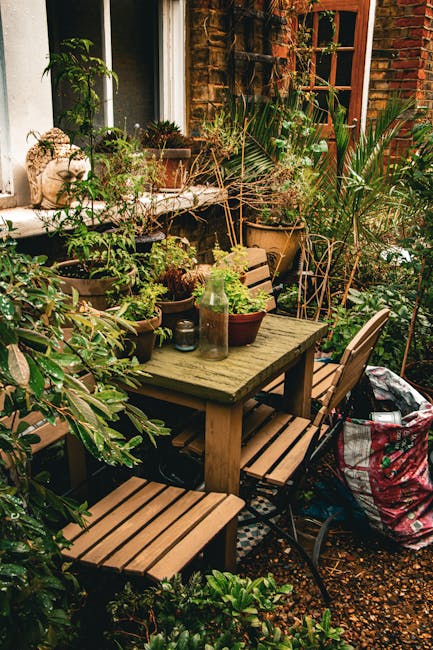
Replingham Road Small Garden Guide for Southfields Gardeners
If you live near Replingham Road, you probably already know the charm of Southfields gardens: compact, a little shaded in places, often bordered by fences, brick walls, or neighbouring plots, and always more precious than they look at first glance. A small garden can feel awkward at the start, but with the right plan it becomes one of the most rewarding spaces at home. This Replingham Road small garden guide for Southfields gardeners is designed to help you make sensible choices, avoid the usual headaches, and turn a tight outdoor area into something that feels calm, usable, and alive.
Small gardens are not about cramming in more plants. Truth be told, that usually makes them feel smaller. They are about balance, movement, light, and choosing the right jobs for the space you actually have. Whether you want a neat low-maintenance plot, a family-friendly corner, or a more polished entertaining area, the basics stay the same: understand the site, work with the proportions, and be realistic about upkeep.
Below, you'll find a clear, practical guide built for Southfields conditions, with design ideas, maintenance priorities, common mistakes, and a realistic step-by-step approach. If you need professional support along the way, you can also look through the services overview, learn more about the team, or check the current pricing and quotes approach before making a decision.
Table of Contents
- Why Replingham Road small garden guide for Southfields gardeners Matters
- How Replingham Road small garden guide for Southfields gardeners Works
- Key Benefits and Practical Advantages
- Who This Is For and When It Makes Sense
- Step-by-Step Guidance
- Expert Tips for Better Results
- Common Mistakes to Avoid
- Tools, Resources and Recommendations
- Law, Compliance, Standards, or Best Practice
- Options, Methods, or Comparison Table
- Case Study or Real-World Example
- Practical Checklist
- Conclusion
- Frequently Asked Questions
Why Replingham Road small garden guide for Southfields gardeners Matters
Small gardens in this part of South West London often have a few things in common: limited width, overlooked boundaries, busy sightlines, and a constant tug-of-war between wanting more greenery and needing somewhere practical to sit, store, or simply move around. That is why a focused approach matters. The difference between a cramped outdoor space and a genuinely useful one is rarely size alone. More often, it is planning.
On Replingham Road and nearby streets, gardens can be affected by tree shade, mature fences, narrow access paths, and patchy soil after years of different planting styles. Some plots get strong afternoon sun for a while, then fall into shade. Others stay damp near walls or dry out quickly in summer. If you don't account for those conditions, even attractive plants can struggle. And if plants struggle, the whole space starts to feel like hard work.
This guide matters because it helps you make decisions that fit the actual garden rather than a dreamy magazine version of it. That is the real trick. Not perfection. Fit.
It also matters because small gardens tend to show mistakes faster. One oversized shrub, one awkward path, one poorly chosen surface, and suddenly everything looks crowded. By contrast, a few smart improvements can make the whole garden feel calmer, brighter, and more intentional. That is good design, even if the space is tiny.
Expert takeaway: In a small Southfields garden, every element should earn its place. If it does not improve light, movement, privacy, or day-to-day use, it probably needs to go or be redesigned.
How Replingham Road small garden guide for Southfields gardeners Works
At its core, this approach works by breaking the garden into a few practical layers: structure, planting, circulation, and upkeep. Once you look at a compact garden that way, the space becomes much easier to manage. Instead of asking, "What can I fit in here?" you start asking, "What does this space need to feel usable and balanced?"
Here's the basic logic:
- Structure first: paths, paving, borders, seating, fencing, and fixed features shape the experience of the garden.
- Planting second: plants should soften edges, create interest, and suit light and soil conditions.
- Storage and practical use: tools, bins, bikes, and children's items all need a home without dominating the view.
- Maintenance last, but always in mind: the best small garden is one you can keep looking good without a weekly battle.
That sequencing is useful because a lot of people start with plants. Nothing wrong with plants, of course. But if the hard landscaping is awkward, or the layout makes every task feel like a squeeze, the garden will still feel wrong. A narrow side return with great planting can still be annoying if you clip elbows every time you pass through it.
Good small-garden design is also about sightlines. From the kitchen window, back door, or patio door, what do you see first? In many Southfields homes, that first view carries the whole mood of the garden. If the eye lands on clutter, dead corners, or a messy fence line, the space feels smaller than it is. If the eye lands on a focal point, layered planting, or a tidy seating area, the same garden suddenly feels more generous. A bit cheeky, really, how much of garden design is just visual psychology.
If you are planning a bigger refresh, it may help to compare your ideas against the support listed in the services overview, especially if you want help with design, maintenance, or full tidy-up work rather than only one-off planting.
Key Benefits and Practical Advantages
A well-planned small garden gives you more than a prettier view. It changes how you use the space day to day. That might sound obvious, but in practice it is the part people notice most after a proper redesign or maintenance reset.
- It feels bigger: Clear zones, slimmer planting, and better proportions can make a modest garden feel open rather than boxed in.
- It is easier to maintain: Fewer badly placed features means less trimming, weeding, and awkward access.
- It supports real use: A small garden can still handle coffee, reading, pets, children, or a simple evening sit-out.
- It improves kerb-to-garden flow: On streets like Replingham Road, tidy front and rear garden presentation adds to the whole property feel.
- It creates privacy: Thoughtful screening can soften overlooking without shutting out light.
- It gives seasonal interest: Even a tiny plot can carry colour, texture, and structure across the year.
There is also a quieter advantage: a small, well-kept garden tends to encourage better habits. When a space is easy to access, it gets used more. When it gets used more, it is easier to keep in decent shape. That lovely little feedback loop is what makes compact gardens so satisfying.
One more thing that gets overlooked: better layout can reduce accidental waste. If you compost correctly, keep soil healthy, and choose plants suited to the site, you are less likely to keep replacing things that failed the first time. That is better for your wallet and, honestly, better for your patience too.
Who This Is For and When It Makes Sense
This guide is for Southfields gardeners who are working with limited space and want practical results rather than grand, unrealistic promises. If your garden is narrow, overlooked, shaded, or simply awkward, this approach is for you. It also suits people who want a cleaner, low-stress outdoor space without turning it into a hard maintenance project.
It makes sense if you are:
- a homeowner wanting to improve the rear garden without major structural work;
- a renter or leaseholder who needs container-based ideas rather than permanent changes;
- a family wanting a safer, tidier space for children or pets;
- someone preparing to sell and wanting the outdoor area to look more intentional;
- a keen gardener who loves plants but needs better spacing and seasonal planning;
- someone who has tried a few things already and feels the garden still looks messy. It happens more than people admit.
It may also be the right time if your garden currently feels like a series of small problems: patchy lawn, muddy access, too many pots, not enough seating, or overgrown shrubs that seem to have developed a sense of entitlement. You know the type.
If you are still at the thinking stage, it may help to read a little more about the company's values on the about us page, or see how enquiries are handled through the contact us page if you are considering a proper site visit.
Step-by-Step Guidance
A small garden improves fastest when you work in the right order. Rushing to buy plants before the layout is settled is a classic mistake. So let's keep it simple and practical.
1. Measure the space properly
Start with actual dimensions. Width, depth, access points, sunny corners, shaded corners, and any awkward pinch points should all be noted. If you can sketch it out roughly on paper, even better. This is the stage where a lot of good ideas are saved from turning into bad purchases.
2. Identify how you want to use the garden
Do you want seating for two? A child-friendly lawn? A place for herbs and salads? Storage? A quiet corner with one bench and some scent? Decide on the main use before you design anything else. In a small garden, trying to do everything usually means doing nothing well.
3. Sort the structure
Check fencing, paving, edging, steps, and drainage. These are the bones of the garden. If they are wonky, broken, or visually heavy, the whole plot feels tired. Replacing a few awkward slabs or lifting a narrow border can transform the space far more than adding another basket of plants.
4. Choose a simple planting palette
Pick plants that match light levels and the amount of care you are willing to give. A restrained palette often looks more elegant than a mixed-up one. Repetition helps small spaces feel coherent. That means fewer random choices, more rhythm, and better seasonal flow.
5. Create layers, not clutter
Use height, mid-level planting, and low planting to add depth without blocking the garden. For example, a small tree or vertical climber can draw the eye upward, while low edging plants keep the base neat. The trick is to suggest fullness without filling every centimetre.
6. Protect the usable areas
Keep paths clear and seating areas uncluttered. In a compact Southfields garden, one carefully placed chair or bench can be more useful than a large seating set that dominates the whole plot. You want room to breathe, not just room to store cushions.
7. Build in maintenance habits from day one
Set up simple routines for watering, deadheading, trimming, and seasonal clean-up. Small gardens look best when they are lightly and regularly cared for. Long gaps tend to create sudden chaos. Nature is very efficient that way.
For more support with ongoing maintenance or one-off reset work, it is sensible to review the practical options in the services overview and, if needed, request a tailored pricing and quotes discussion.
Expert Tips for Better Results
Small gardens reward restraint. That is the first honest tip. The second is that good scale matters more than novelty. A design that fits the space will always age better than something chosen because it looked clever in a catalogue.
- Use repetition: Repeating a few plant forms or materials makes a compact garden feel calmer.
- Go vertical where sensible: Trellis, climbers, and slim supports can add height without taking up floor space.
- Choose a limited colour palette: Too many colours can make a small space feel busy.
- Prefer multi-season plants: Interest in spring, summer, and autumn gives better value than one short burst of colour.
- Keep edges crisp: Border edges and path lines do more visual work than many people realise.
- Leave a little empty space: A small gap is not wasted space. It is visual breathing room.
One practical Southfields observation: gardens around this part of London often benefit from a bit more privacy than people initially think. A slim screen or well-placed planting can stop the garden feeling exposed, especially if nearby windows look in from above. But don't block light just to solve privacy. That is where people get it wrong.
Another useful move is to test the layout at different times of day. Morning light can make a space feel gentle and fresh, while late afternoon can show shadows, heat, and glare. If you can, look at the garden at 8am and again around early evening. The mood changes quite a lot.
And yes, containers can work brilliantly in small gardens, but only if you treat them like part of the design rather than a place to put random leftovers. A few well-chosen pots look intentional. Fifteen different ones look like you got interrupted halfway through tidying. Which, to be fair, happens to all of us.
Common Mistakes to Avoid
Most small garden problems are not dramatic. They are accumulations of tiny choices that all lean in the wrong direction. The good news is that they are usually fixable.
- Over-planting: It is tempting to fill every spare gap. Resist the urge. Young plants grow, and small gardens can become crowded fast.
- Using oversized furniture: A big table set might suit a patio in theory, but in a small plot it often blocks movement.
- Mixing too many styles: Random materials and plant types can make the garden feel unsettled.
- Ignoring shade and root competition: Some areas may never suit sun-loving plants, no matter how hopeful you feel in April.
- Forgetting maintenance access: If you cannot reach the back of a border or around a shed, it will become a problem.
- Choosing plants only for flowers: Structure, foliage, and shape matter just as much, especially in tight spaces.
Another mistake is designing for a perfect day rather than an ordinary week. A garden that looks lovely in dry weather but turns muddy after one shower is not really working. Small spaces need practical surfaces and realistic planting that can cope with London weather swings. Not glamorous. Very useful.
If you are unsure whether your current layout is workable, ask a simple question: "Can I move through this garden without sidestepping things?" If the answer is no, start there. That one question solves a lot.
Tools, Resources and Recommendations
You do not need a warehouse of equipment to improve a small garden. A focused kit of tools, sensible materials, and a clear plan usually beats overbuying every time.
| Need | Useful option | Why it helps in a small garden |
|---|---|---|
| Measuring and layout | Tape measure, notepad, simple sketch | Prevents poor spacing and unnecessary purchases |
| Planting | Hand fork, trowel, secateurs | Enough for most containers and borders without clutter |
| Soil care | Compost, mulch, balanced feed | Improves moisture retention and plant health |
| Structure | Edging, trellis, slim supports | Adds height and definition without using much floor space |
| Ongoing care | Watering can, gloves, pruning shears | Keeps maintenance light and manageable |
For people who prefer a more organised approach, it can help to work with a team that also handles waste responsibly. If that matters to you, take a look at the company's recycling and sustainability approach. It is a small detail, but in garden work those details add up fast.
It is also worth checking practical service information before booking anything. Read the health and safety policy and insurance and safety information if you want peace of mind on access, tools, and on-site work. Not the most glamorous reading, granted, but very sensible.
Law, Compliance, Standards, or Best Practice
For a small residential garden guide, the main compliance issues are usually practical rather than complicated. You are generally thinking about safe use of tools, responsible waste handling, considerate neighbour relations, and any rules attached to shared boundaries or access. If a project involves fencing, drainage, tree work, electrical lighting, or major structural changes, it is wise to check what applies before starting.
Best practice in a Southfields garden often includes:
- making sure pathways and steps are reasonably safe and not slippery;
- keeping tools, cables, and materials stored away from walkways;
- avoiding plant choices that create nuisance over fences or into neighbouring areas;
- disposing of green waste responsibly;
- being clear about access arrangements if work is being carried out by contractors.
If you hire help, clear terms matter. Before work begins, it is smart to review the terms and conditions and understand how the business handles payment and security. If you ever need to raise an issue, the complaints procedure is there to show how concerns are handled.
There are also practical accessibility considerations. Some gardens are narrow, stepped, or uneven, and that affects how work is completed and how the space is used. If you need a page that sets out website and service access information clearly, you can review the accessibility statement. For privacy details, see the privacy policy. Again, not exciting, but very normal for a trustworthy local service.
Options, Methods, or Comparison Table
There is no single right way to improve a small garden near Replingham Road. The best method depends on budget, lifestyle, and how much work you want to take on. The table below gives a simple comparison.
| Method | Best for | Strengths | Trade-offs |
|---|---|---|---|
| Container-led garden | Renters, flexible layouts, easy updates | Portable, simple to refresh, good for awkward surfaces | Needs watering and can look cluttered if overdone |
| Border redesign | Homeowners wanting a cleaner permanent layout | Improves structure and long-term planting | Takes more planning and maintenance than containers |
| Low-maintenance hardscape focus | Busy households, minimal upkeep goals | Easy to manage, cleaner lines, practical use | Needs careful design to avoid a stark feel |
| Plant-heavy soft garden | People who enjoy regular gardening | Rich texture, wildlife value, seasonal change | Can become dense if not controlled |
In real life, many good Southfields gardens are a mix of these approaches. A compact paved area, a few generous containers, a slim border, and one well-chosen climber can work beautifully. You do not need to pick only one style and stick to it forever. Gardens are allowed to evolve. Thankfully.
Case Study or Real-World Example
Here's a realistic example from the kind of small rear garden you often see around Replingham Road. The plot was narrow, with a shaded back corner, a tired lawn, and too many different pot sizes lined up along the fence. The seating area sat too close to the door, so the whole space felt cramped the moment you stepped outside.
The fix was not dramatic, but it was deliberate. The layout was simplified so movement from the house to the back of the garden felt clear. The old patchy lawn was reduced in size and replaced with a more usable mix of paving and planting. One long planter created structure along the fence line, while a climber on a trellis lifted the eye upward. A couple of large pots were kept, but the rest were removed. That alone made the garden feel calmer.
What changed most was the feeling of the space. It became easier to sit in. Easier to water. Easier to maintain. And, maybe best of all, it no longer looked like it was waiting for a future makeover that never came. A tidy little success, really.
That kind of result is typical when the work starts with layout and light, not just planting. If you are thinking along similar lines, the sensible next step is to compare what you want with the available support in the services overview and then move toward a clear request for help through contact us.
Practical Checklist
Use this checklist before you start changing anything major in a small Southfields garden.
- Measure the garden and note any awkward corners.
- Identify shade, sun, damp spots, and exposed areas.
- Decide the garden's main purpose: sitting, planting, play, storage, or a mix.
- Check the condition of paving, edging, fencing, and drainage.
- Remove or reduce anything that blocks movement.
- Choose a simple planting palette that suits the site.
- Leave enough space for maintenance access.
- Plan how you will water and prune through the season.
- Think about privacy without blocking too much light.
- Make sure waste removal and recycling are handled sensibly.
Quick reminder: if a feature looks nice but makes the garden harder to use, it is probably the wrong feature. That sounds blunt. It is also true.
Conclusion
A small garden near Replingham Road does not need to be complicated to be beautiful. In fact, the best ones rarely are. They feel considered. A little restrained. Comfortable to use. Easy enough to maintain that they stay looking good beyond the first burst of enthusiasm in spring.
The key is to treat the garden as a sequence of decisions rather than one big makeover. Start with layout, then structure, then planting, then maintenance. Keep an eye on light, scale, and access. And do not be afraid to leave some space open. In a compact Southfields garden, space is not emptiness. It is part of the design.
If you want help turning ideas into a practical plan, a grounded local service conversation is often the smartest next move. A bit of guidance at the start can save a lot of fiddling later on.
Get a free quote today and see how much you can save.
Sometimes the smallest gardens become the ones people love most, precisely because every square metre has a job to do. That is a lovely thing, really.
Frequently Asked Questions
What makes a small garden on Replingham Road different from other London gardens?
Small Southfields gardens often have tighter dimensions, more overlooking, and a mix of shade and sun that changes through the day. That means design decisions need to be more deliberate than in a larger garden. Scale, access, and maintenance matter more than ever.
How can I make a tiny garden feel bigger?
Use simple lines, a limited colour palette, and a clear path or seating area. Repetition in planting helps too. Avoid cramming in too many features. A little negative space can make the whole area feel more open.
What plants work well in a small Southfields garden?
Plants that suit your light levels and do not outgrow the space quickly are usually the best bet. In a compact garden, structure is just as important as flowers, so choose plants with good shape, foliage, and seasonal interest rather than only short-lived display value.
Is a lawn a good idea in a small garden?
Sometimes, yes, but only if it genuinely adds value. In very small gardens, a full lawn can become awkward to maintain and may not leave enough room for seating or planting. Many homeowners prefer a smaller lawn section or no lawn at all.
How do I deal with a shaded back corner?
Use shade-tolerant planting and avoid forcing sun-loving species into that area. You may also want to brighten the space with lighter paving, reflective surfaces, or a simple feature plant that gives the corner shape even when flowers are not in season.
Should I choose containers or borders for a small garden?
Both can work. Containers are flexible and great for renters or changing layouts. Borders feel more permanent and can create a stronger design if you want a settled look. Many good gardens use both.
How much maintenance does a small garden need?
That depends on the planting and structure. A restrained, well-planned garden can be relatively light work, while a lush planting scheme needs more regular care. The best approach is to design for the amount of maintenance you are actually willing to do.
Can a small garden still have privacy?
Yes, often quite effectively. Slim screening, trellis, climbers, and well-placed planting can soften views without making the space feel boxed in. The goal is privacy with light, not privacy at any cost.
What is the most common mistake people make with small gardens?
Overfilling them. People often try to add too many plants, too much furniture, or too many decorative features. The result is clutter rather than character. Simplicity usually wins.
How do I know if I need professional help?
If the space feels awkward, overgrown, or hard to use, a professional eye can save time and money. It is especially useful when you want layout changes, harder landscaping, or a more cohesive design rather than just a quick tidy-up.
What should I check before hiring help for a garden project?
Look at the service scope, pricing approach, safety information, and terms. It is sensible to review the health and safety policy, insurance and safety, and terms and conditions before work begins.
Can small gardens be sustainable as well as attractive?
Definitely. Reusing materials where appropriate, handling green waste thoughtfully, choosing suitable plants, and avoiding unnecessary replacement all support a more sustainable garden. The recycling and sustainability approach is worth checking if that matters to you.