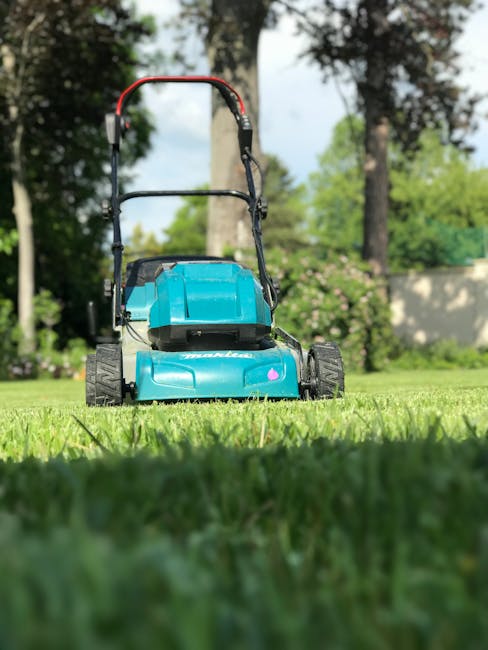
Wimbledon Park terrace lawn care guide for Southfields gardeners
If you care for a terrace lawn near Wimbledon Park, you already know it is rarely a "set it and forget it" patch of grass. Tight access, shaded corners, drying wind, paving edges, and heavy foot traffic can all make a small lawn behave like it has a mind of its own. This Wimbledon Park terrace lawn care guide for Southfields gardeners pulls the whole thing together: what matters, what to do first, how to keep the lawn healthy through the seasons, and when it makes sense to bring in help.
Terrace lawns in Southfields often need a slightly different approach from larger suburban gardens. The good news? Once you understand the pattern of sun, shade, soil compaction, and mowing rhythm, the job becomes much easier. And, to be fair, far less frustrating.
Quick expert summary: Most terrace lawns fail for boring reasons, not dramatic ones: too much water, too little light, blunt mower blades, compacted soil, and inconsistent upkeep. Get those basics right and the difference is obvious by the next growing cycle.
Table of Contents
- Why Wimbledon Park terrace lawn care matters
- How terrace lawn care works
- Key benefits and practical advantages
- Who this is for and when it makes sense
- Step-by-step guidance
- Expert tips for better results
- Common mistakes to avoid
- Tools, resources and recommendations
- Law, compliance, standards, or best practice
- Options, methods, and comparison table
- Case study or real-world example
- Practical checklist
- Conclusion
- Frequently asked questions
Why Wimbledon Park terrace lawn care matters
A terrace lawn is a small space, but it carries a lot of weight visually. It is often the first thing you see from the kitchen window, the patch children run across, the place the dog paws at after rain, and the bit that either lifts the whole garden or makes it feel tired. In Southfields, that matters even more because many gardens are compact and every square metre has to earn its keep.
Wimbledon Park and nearby streets often present a classic London mix: partial shade from mature trees or neighbouring buildings, narrow side access, paved boundaries that heat up in summer, and soil that may have been compacted over years. Grass in those conditions can thin out, moss can creep in, and bare patches can appear before you really notice what is happening. Then one day you step outside after a damp week and think, "Hang on, when did this get so patchy?"
That is why lawn care is not just about appearance. It helps the lawn stay resilient, recover faster after use, and make better use of limited light and moisture. If you are also balancing other garden work, a broader garden maintenance routine keeps the whole outdoor space more stable and easier to manage.
For terrace gardens, the biggest issue is often not neglect. It is inconsistency. A lawn can cope with a lot if it gets the right care at the right time. It struggles when care arrives in bursts, usually after the damage is already obvious.
How Wimbledon Park terrace lawn care guide for Southfields gardeners works
Good terrace lawn care is a cycle, not a single task. Think of it as a few linked jobs that support each other: mowing, feeding, watering, aerating, edging, and repairing. If one of those is out of step, the lawn usually shows it fairly quickly.
Here is the basic logic. First, you assess the lawn's conditions: how much sun it gets, whether water sits on it, where people walk, and whether the soil feels firm underfoot. Then you adjust the care routine to suit the lawn rather than forcing a generic treatment on it. Simple idea. Easy to miss.
For example, a shaded terrace lawn near a tall boundary wall may need a higher mowing height and less frequent feeding than a sunny front lawn that dries out by midday. A narrow lawn used as a route to a shed or patio may benefit from occasional overseeding and targeted soil improvement because foot traffic compacts the root zone. If the grass sits next to decking or hard landscaping, the edges often dry faster and need a bit of extra attention too. That is where coordinated landscaping choices can make day-to-day lawn care easier.
Seasonality matters as well. In spring and early autumn, the lawn usually responds best to renovation work such as aeration, scarifying, and overseeding. In summer, the focus shifts to stress reduction: sensible mowing, watering deeply rather than frequently, and avoiding overfeeding in heat. In winter, the aim is mainly protection: keeping traffic down, lifting fallen debris, and preventing the lawn from becoming a muddy pathway.
For most Southfields gardens, the trick is not to do more. It is to do the right things in the right order.
Key benefits and practical advantages
A well-kept terrace lawn gives you more than a tidy look. The benefits are practical, and often surprisingly immediate.
- Better resilience: Grass that is mown correctly and fed lightly when needed can cope better with foot traffic and weather swings.
- Cleaner edges and better shape: Regular edging stops the lawn looking "lost" against paths, beds, or paving.
- Less weed pressure: Dense turf gives weeds less room to settle in.
- Improved drainage and recovery: Aeration and sensible maintenance help compacted soil breathe again.
- More usable outdoor space: A healthy lawn turns a small terrace garden into a space you actually want to spend time in.
There is also a confidence factor that people do not always mention. When the lawn looks cared for, the whole garden feels calmer. You stop noticing the rough patch by the step or the mossy corner every time you look out. It just feels better. Not glamorous, but very real.
If you need the grass cut regularly rather than as a one-off tidy, a professional lawn mowing service can help keep the maintenance rhythm steady, especially during faster growth in spring and early summer.
Who this is for and when it makes sense
This guide is for Southfields gardeners dealing with terrace lawns of all shapes and sizes, from modest front strips to longer rear gardens with mixed shade. It is especially useful if your lawn seems to be drifting from "fine" to "a bit sorry for itself" and you are not quite sure why.
You will probably find it useful if:
- your lawn is small, narrow, or awkwardly shaped
- parts of the grass are shaded for much of the day
- you have patchiness, moss, or thin turf
- the lawn sits beside patios, decking, or paved runs
- you want the garden to look neat without constant effort
- you are deciding whether to manage the lawn yourself or use a regular service
It also makes sense if the lawn has become part of a wider garden refresh. Sometimes grass problems are not really just grass problems. They are layout problems, drainage problems, or access problems in disguise. In that situation, a broader approach through landscape gardening or services overview planning can be more effective than trying to rescue the lawn alone.
When does it make less sense to keep pushing repair work? If the lawn has very poor light, severe compaction, or repeated standing water, you may be better off combining lawn care with more structural changes. No shame in that. Some spots are just difficult.
Step-by-step guidance
Here is a practical way to handle terrace lawn care without overcomplicating it.
1. Start with a proper look at the lawn
Walk the lawn slowly. Check for shade patterns, moss, low spots, worn pathways, and areas that stay damp. Look where the grass is pale, thin, or uneven. If you can press a screwdriver into the soil only with real effort, the ground may be compacted. If water hangs around after rain, drainage needs attention. You do not need to be a botanist to spot that sort of thing.
2. Mow at the right height
For most terrace lawns, cutting too short is the quickest route to stress. A slightly higher cut helps the grass protect itself, especially in shade or dry spells. Remove only a little each time rather than hacking it back after a long gap. Blunt blades tear the grass, leaving frayed ends that go brown and ragged. Not ideal, and definitely not a good look.
3. Edge before it gets messy
Terrace lawns often look untidy because of blurred edges, not because the whole lawn is poor. A crisp edge along paving, beds, or decking makes a massive difference. It is a small job with an outsized visual effect.
4. Aerate compacted areas
If the lawn gets a lot of foot traffic, aeration helps air, water, and nutrients reach the roots. For small lawns, simple manual aeration may be enough. The aim is not to churn the ground into a mess. Just give it room to breathe.
5. Overseed thin patches
Where the lawn has thinned, overseeding can help fill gaps and improve density. Lightly rake the area first, add suitable seed, and keep it evenly moist until the new grass establishes. This step is often skipped, then people wonder why the bare patches keep coming back. Well, there it is.
6. Feed lightly and seasonally
Feeding should support growth, not force it. A balanced, season-appropriate feed can help the lawn recover after stress, but overfeeding creates soft growth, more mowing, and sometimes more disease pressure. Less can be more here.
7. Water deeply when needed
Many terrace lawns do better with less frequent but deeper watering than with daily sprinkling. Early morning is usually the best time because the lawn can use the moisture before the day warms up. If the grass is already dry and stressed, a slow soak is more helpful than a quick splash.
8. Keep the surrounding area in order
A lawn rarely thrives in isolation. Fallen leaves, hedge clippings, and debris trap moisture and shade the turf. If your borders are overgrown, a bit of hedge trimming can improve light and airflow. If the garden has become cluttered after a busy season, garden clearance may be the reset it needs.
9. Review after a few weeks, not a few hours
Lawn improvement is gradual. You should expect to see signs over weeks, not days. A good routine usually becomes visible in denser colour, better springiness underfoot, and fewer rough patches after a month or two. Give it time.
Expert tips for better results
In our experience, the best results come from restraint and consistency. That is not a dramatic answer, but it is the honest one.
- Do not cut in a rush after rain if the ground is soft. You will compact the soil and leave tracks that linger far longer than they should.
- Keep mower blades clean and sharp. A sharp cut helps the lawn recover cleanly.
- Work with the microclimate. A terrace lawn shaded by one side of the house may need a different rhythm from the sunnier end of the same garden.
- Use the lawn less when it is vulnerable. New seed, drought-stressed turf, and waterlogged ground all need a bit of space.
- Watch for early signs of trouble. Pale colour, moss, a spongy feel, or slow recovery after walking across the lawn all tell you something useful.
One very practical tip: edge and mow before you invite people over, not after. It sounds obvious, yet people wait until the lawn is already tired and the garden has taken a battering. Friday evening, a dry lawn, 20 minutes of focused work. It can change the whole feel of the space.
If the garden has hard surfaces, timber structures, or tricky level changes, coordinated care through decking services and broader landscaping can reduce wear on the lawn and make maintenance less fiddly.
Common mistakes to avoid
Most terrace lawn problems come from a handful of repeated mistakes. The nice thing is, once you know them, they are easy enough to avoid.
- Cutting too short: This weakens the grass and exposes the soil to heat, weeds, and moisture loss.
- Ignoring shade: Shade-tolerant lawns still need care, but not the same hard mowing or feeding routine as a sunny lawn.
- Watering too often, not deeply enough: Light watering can encourage shallow roots.
- Leaving leaves and debris in place: This smothers grass and encourages moss.
- Assuming every bare patch needs the same fix: Some are caused by wear, some by poor drainage, and some by too little light. Different cause, different answer.
- Letting edges unravel: Small lawns look much worse when the edges go soft and irregular.
A quieter mistake is trying to solve a lawn issue with one big weekend effort. It feels productive, sure. But lawns usually respond better to a few well-timed interventions than to one heroic burst followed by silence. A bit annoying, but true.
Tools, resources and recommendations
You do not need a shed full of specialist gear to look after a terrace lawn well. A sensible shortlist is usually enough.
| Tool or resource | What it helps with | Why it matters on terrace lawns |
|---|---|---|
| Sharp mower | Regular cutting at a steady height | Cleaner cuts reduce stress and improve appearance |
| Hand or edging tool | Neat borders | Small lawns rely heavily on crisp lines |
| Fork or aerator | Relieving compaction | Useful where the lawn gets repeated foot traffic |
| Rake | Scarifying light thatch and debris | Helps air and light reach the turf surface |
| Watering can or hose with a gentle setting | Targeted watering | Better control in narrow or awkward spaces |
For homeowners who prefer steady upkeep over occasional rescue work, a scheduled garden maintenance visit can take the pressure off. That is especially helpful if your terrace garden also has borders, shrubs, or hedging that need regular attention.
If your outdoor space is difficult to access, or you simply want a single team to handle multiple tasks, services overview can help you think about the full picture rather than treating the lawn as a standalone job. Sometimes the smartest fix is the one that reduces future work.
Law, compliance, standards, or best practice
For most domestic lawn care in Southfields, there is no special licensing issue or complex legal framework to navigate. Still, there are a few sensible best-practice points worth keeping in mind, especially if a contractor is involved.
First, any work should be done safely. Good operators should take care around trip hazards, tools, storage, and access routes. If machinery is used, it should be suitable for the space and handled with due caution. That is basic, but worth saying because terrace gardens can be tight and awkward.
Second, waste should be handled responsibly. Grass cuttings, leaves, and arisings should be removed or composted appropriately, and larger clearances should be dealt with through a proper disposal route. If you have accumulated more debris than a normal maintenance visit can handle, garden clearance may be the right option.
Third, if tree roots, heavy shade, or overhanging branches are affecting the lawn, the underlying issue may be beyond simple mowing. In those cases, it can be sensible to consider tree lopping and removal where appropriate, or at least to get the situation assessed carefully before spending money on repeated lawn fixes.
Finally, if you are hiring help, look for clear communication about what is included, how access will work, how waste is handled, and what happens if the weather changes the plan. Good service is not just about the cut. It is about reliability, safety, and not making a mess of the rest of the garden. Common sense, really.
Options, methods, and comparison table
There is more than one way to look after a terrace lawn. The best choice depends on how much time you have, how stressed the grass is, and how much change you want to make.
| Approach | Best for | Pros | Trade-offs |
|---|---|---|---|
| Basic routine mowing | Reasonably healthy lawns needing tidy upkeep | Simple, low cost, quick to maintain | Won't fix poor soil, shade, or compaction |
| Regular maintenance programme | Busy homeowners wanting consistent results | Steady improvement, fewer surprises | Needs commitment over time |
| Repair-led renovation | Patchy, mossy, or compacted lawns | Targets the root cause of decline | Takes more effort and patience |
| Mixed hardscape and lawn redesign | Very awkward or poorly lit terraces | Can reduce future maintenance headaches | Higher upfront planning and disruption |
As a rule of thumb, if the lawn is basically sound, keep it on a regular routine. If it is thin, patchy, and always fighting the same battle, renovation may be smarter than endless patch repairs. If the space itself is the problem, then rethink the layout. No point polishing a bad setup forever.
Case study or real-world example
Here is a realistic terrace-garden scenario from Southfields. A homeowner near Wimbledon Park had a narrow rear lawn that looked fine in spring but turned tired by mid-summer. The middle strip was worn by regular foot traffic, the back corner stayed damp, and the side nearest a fence barely saw direct light.
The fix was not dramatic. The mower height was raised a little. The worn strip was aerated and overseeded. The damp corner was cleared of debris and monitored rather than overwatered. The fence line was tidied so more light reached the grass. A few weeks later the lawn was not perfect-let's be honest, small London lawns rarely are-but it looked fuller, healthier, and less patchy. More importantly, it held up better through the rest of the season.
That kind of result is typical. Most improvements come from removing pressure and giving the grass better conditions, not from one miracle product. Simple, steady, and a bit unglamorous. Which is probably why it works.
Practical checklist
Use this checklist before and during the growing season.
- Check how much light the lawn gets through the day
- Raise mower height if the grass is stressed or shaded
- Keep blades sharp and the mower clean
- Remove leaves, twigs, and clippings regularly
- Edge the lawn to keep boundaries sharp
- Aerate compacted areas in the right season
- Overseed thin patches after raking the surface lightly
- Water deeply only when the lawn genuinely needs it
- Watch for moss, bare patches, and slow recovery after walking on it
- Review whether nearby hedges, trees, or paving are affecting the lawn
If several boxes are consistently being ticked yet the lawn still looks unhappy, the issue may be structural rather than routine-based. That is the point where a professional view can save time and a fair amount of frustration.
Conclusion
A terrace lawn in Wimbledon Park or Southfields does not need perfection. It needs the right kind of attention, given consistently and with a bit of local judgement. Shade, access, compacted soil, and surrounding features all matter. So does patience. More than people expect, actually.
If you focus on the basics-mowing properly, easing compaction, improving airflow, keeping edges tidy, and choosing the right seasonal tasks-you will usually see the lawn become calmer and more resilient. And once that happens, the garden starts feeling easier to enjoy again.
For homeowners who want help keeping things on track, it can be worth choosing a service that understands the practical demands of Southfields gardens, not just the grass itself. If you want to know more about who is behind the work, take a look at about us, or read the team's approach to insurance and safety and recycling and sustainability if those details matter to you, as they should.
Get a free quote today and see how much you can save.
And if all you do this week is fix the lawn edges and raise the mower a notch, that is still a solid start. Small wins count.
Frequently Asked Questions
How often should I mow a terrace lawn in Southfields?
There is no single perfect schedule. In active growth periods, weekly mowing is common, but a shaded or slower-growing lawn may need less frequent cuts. The main rule is to avoid removing too much at once.
What is the best mowing height for a small terrace lawn?
A slightly higher cut is usually safer for terrace lawns, especially where shade or drought stress is part of the picture. Cutting too short tends to weaken the grass and make the lawn look patchy faster.
Why does my Wimbledon Park terrace lawn keep getting moss?
Moss often points to shade, compaction, poor drainage, or thin grass cover. In many terrace gardens it is a symptom, not the real problem. Fix the conditions and the moss pressure usually drops.
Can I improve a patchy lawn without re-turfing the whole thing?
Yes, often you can. Overseeding, aeration, improved mowing practice, and targeted soil improvement can make a big difference. If the lawn is badly worn or the site is very difficult, partial renovation may still be more sensible than full replacement.
How do I know if the lawn is overwatered?
Signs can include soft ground, persistent dampness, algae-like surface growth, and weak grass that does not seem to root deeply. A terrace lawn usually does better with thoughtful, occasional watering than constant light splashing.
Should I feed my lawn in summer?
Only carefully, if at all. Summer feeding can encourage growth, but if the lawn is already stressed by heat or drought, too much feed can make things worse. A measured approach is safer.
What should I do about bare patches near paving or decking?
Those areas often dry out faster and suffer more wear. Lightly rake the soil, overseed, and reduce traffic while new grass establishes. If the boundary design is part of the problem, coordinated work with decking services or landscaping may help longer term.
Is professional lawn care worth it for a small terrace garden?
It can be, especially if the lawn needs regular attention or if you do not have the time to stay on top of seasonal tasks. Small lawns still need consistency, and that is where many people slip up.
What happens if my lawn is shaded most of the day?
Shaded lawns usually need gentler mowing, less aggressive feeding, and more attention to airflow and debris removal. In some cases, improving surrounding planting or pruning nearby growth can help.
How do I keep the lawn looking neat between full maintenance visits?
Focus on the visible basics: mow before it gets shaggy, keep edges crisp, clear debris quickly, and avoid walking on soft or wet turf. A small amount of regular care goes a long way.
When should I ask for help instead of trying to fix it myself?
If the lawn keeps declining despite regular care, or if the issue seems tied to drainage, shade, or site layout, it is sensible to get a professional view. Sometimes the lawn is telling you the real problem is underneath it, not on top.
Can terrace lawn care be combined with other garden work?
Absolutely. In fact, it often should be. Lawn health is tied to hedges, trees, borders, access routes, and nearby surfaces. A joined-up approach usually gives better results than isolated jobs.